Civic Pride Since 1902
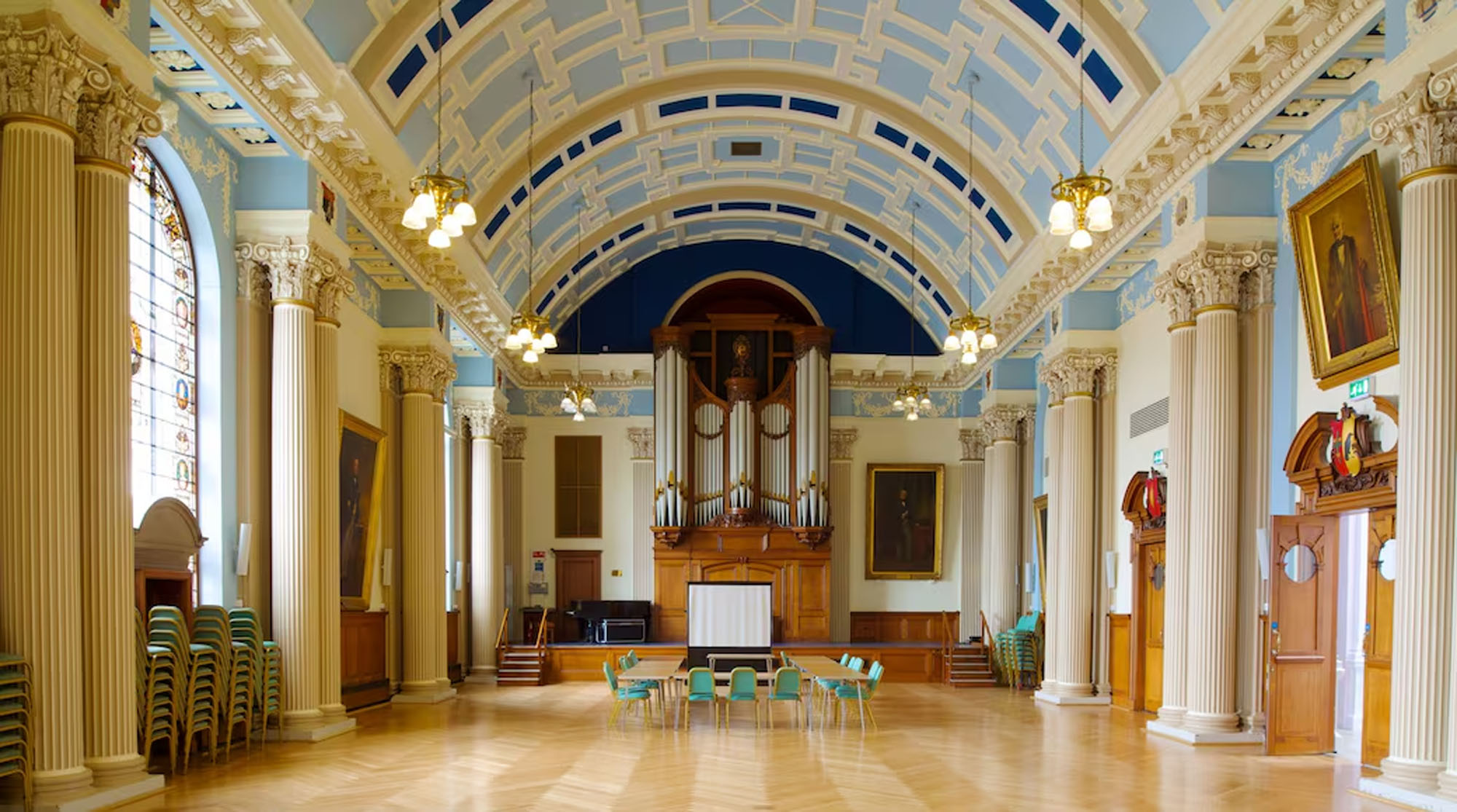
The 1902 Moot Hall organ, restored to its original Edwardian glory, still fills Colchester’s hall with music today.
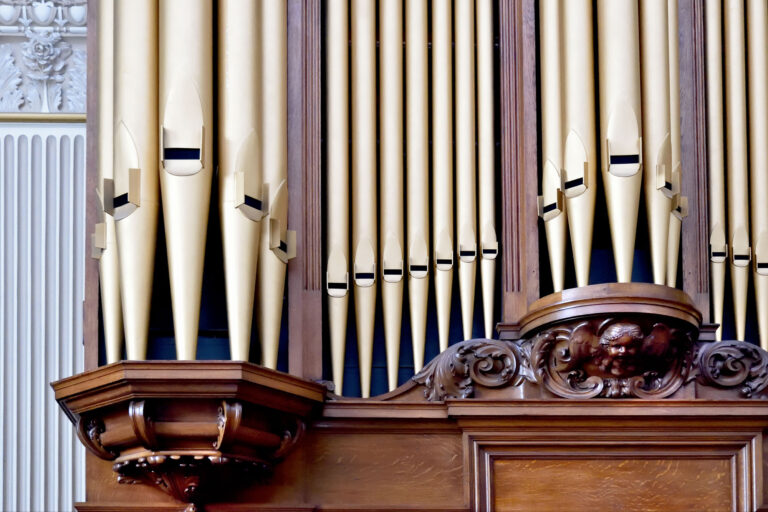
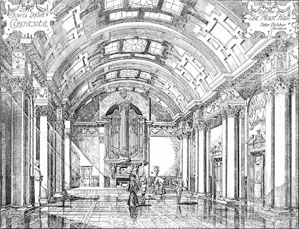
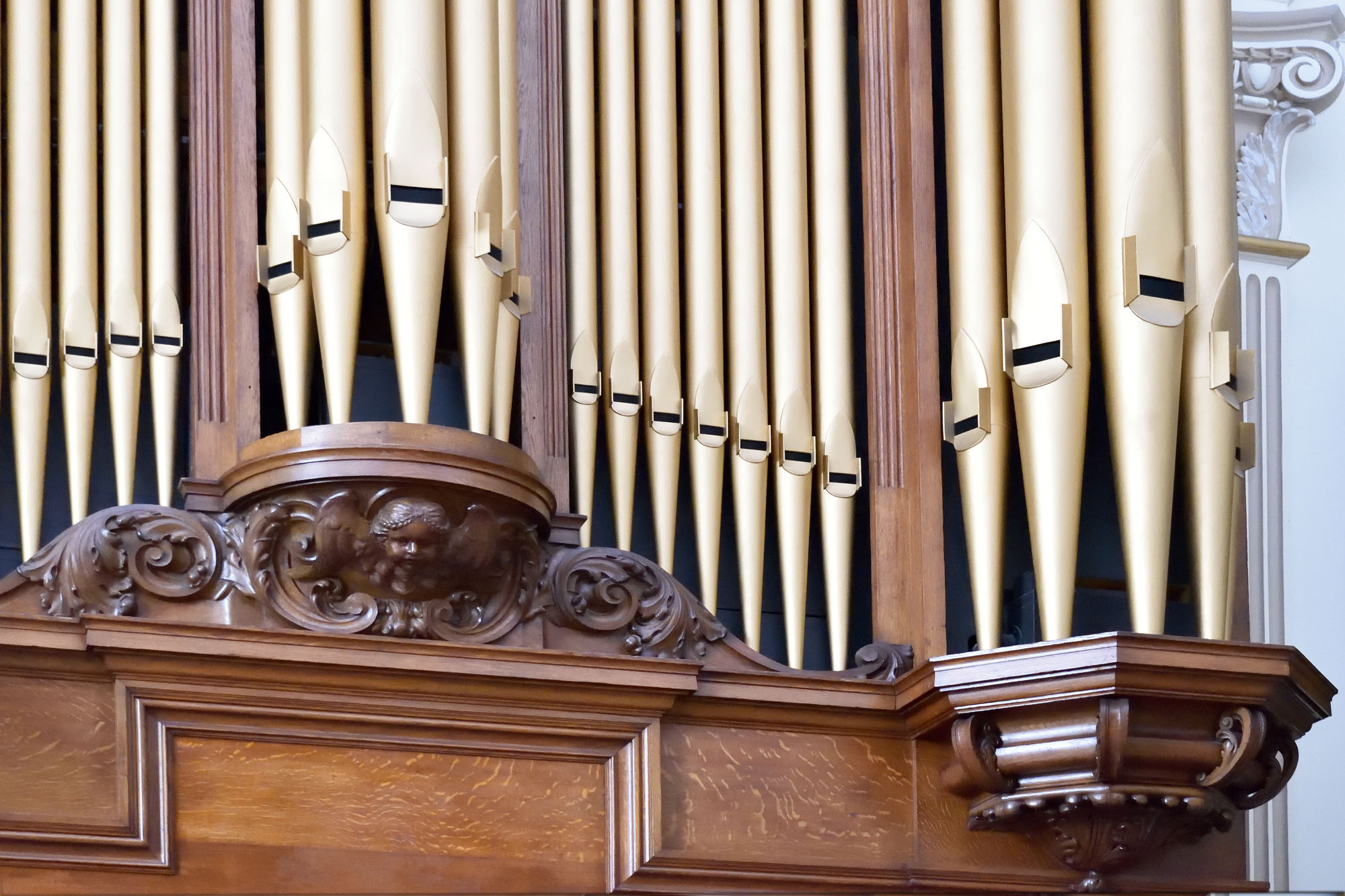
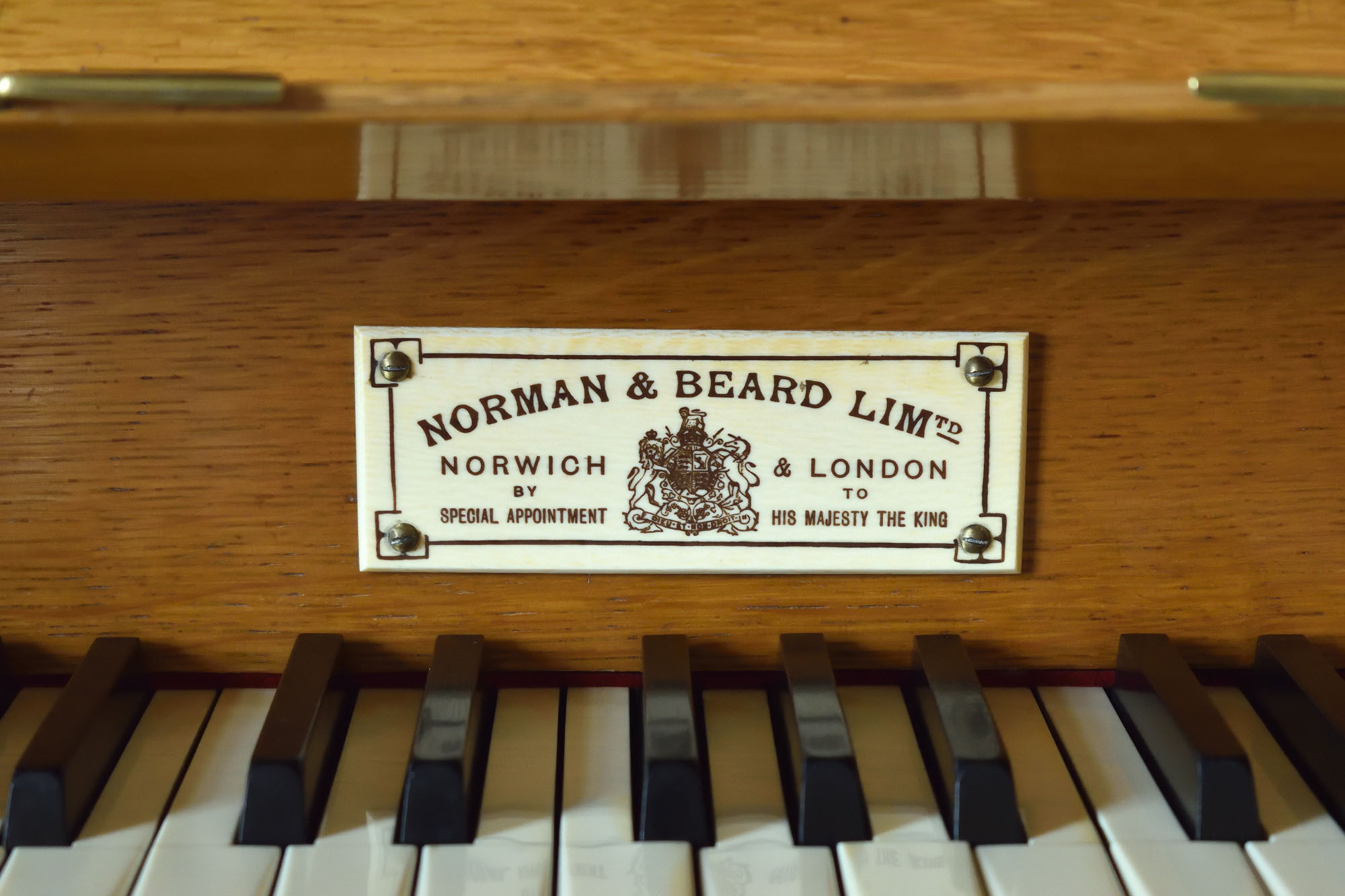
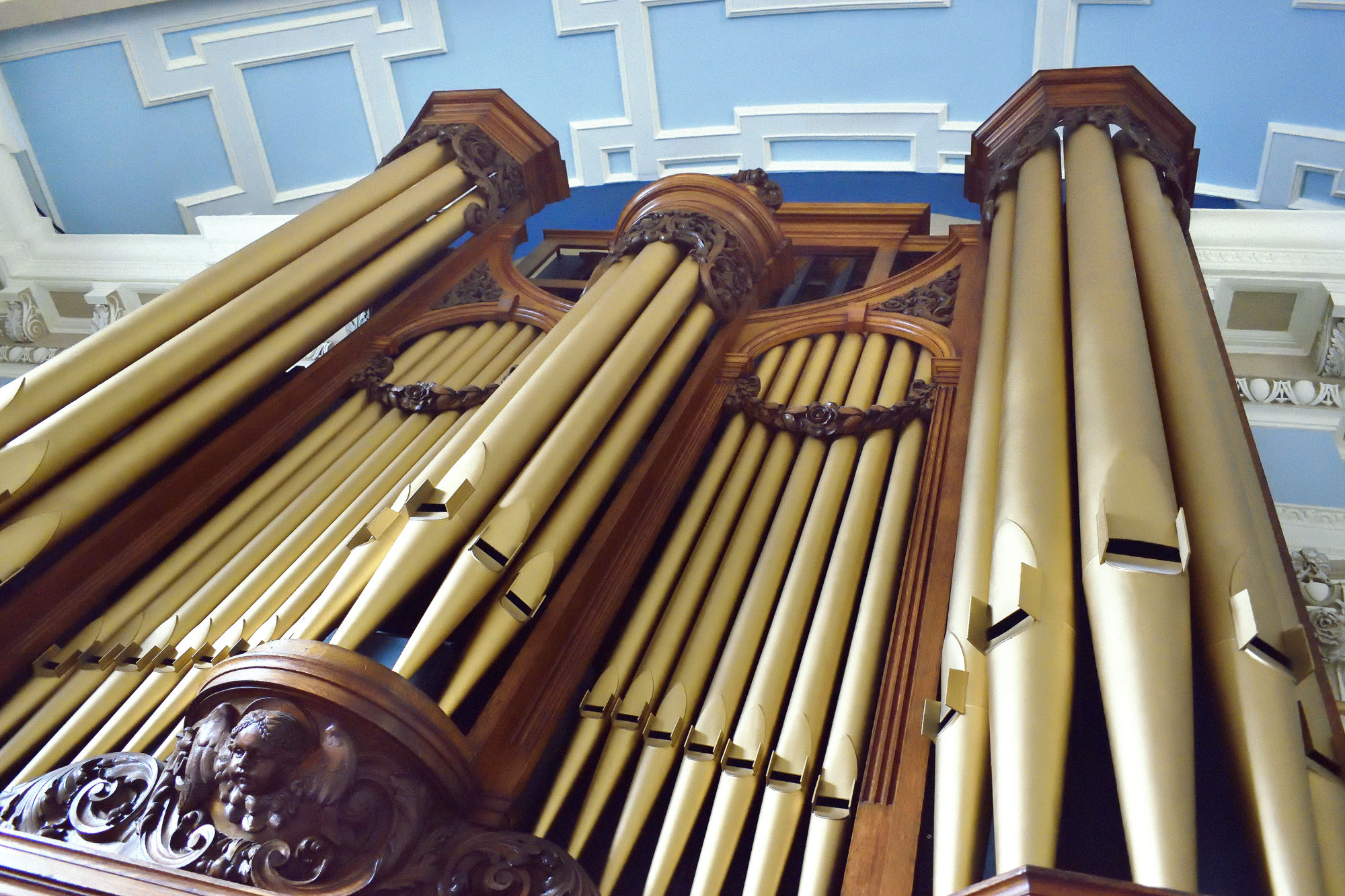
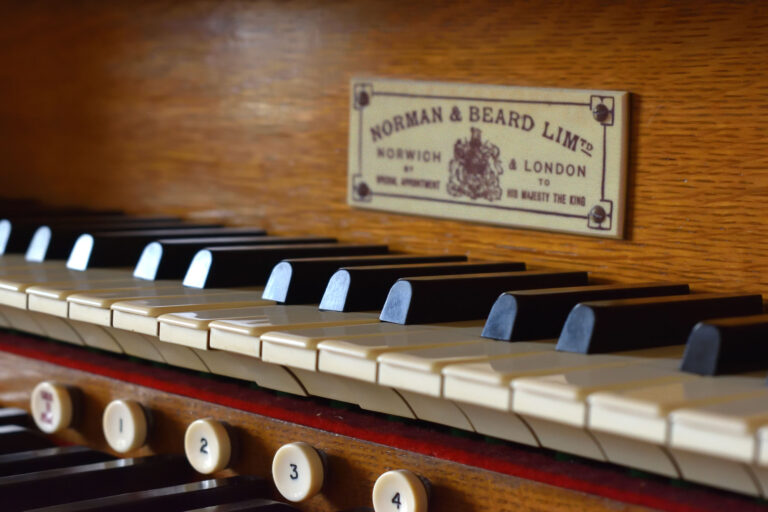
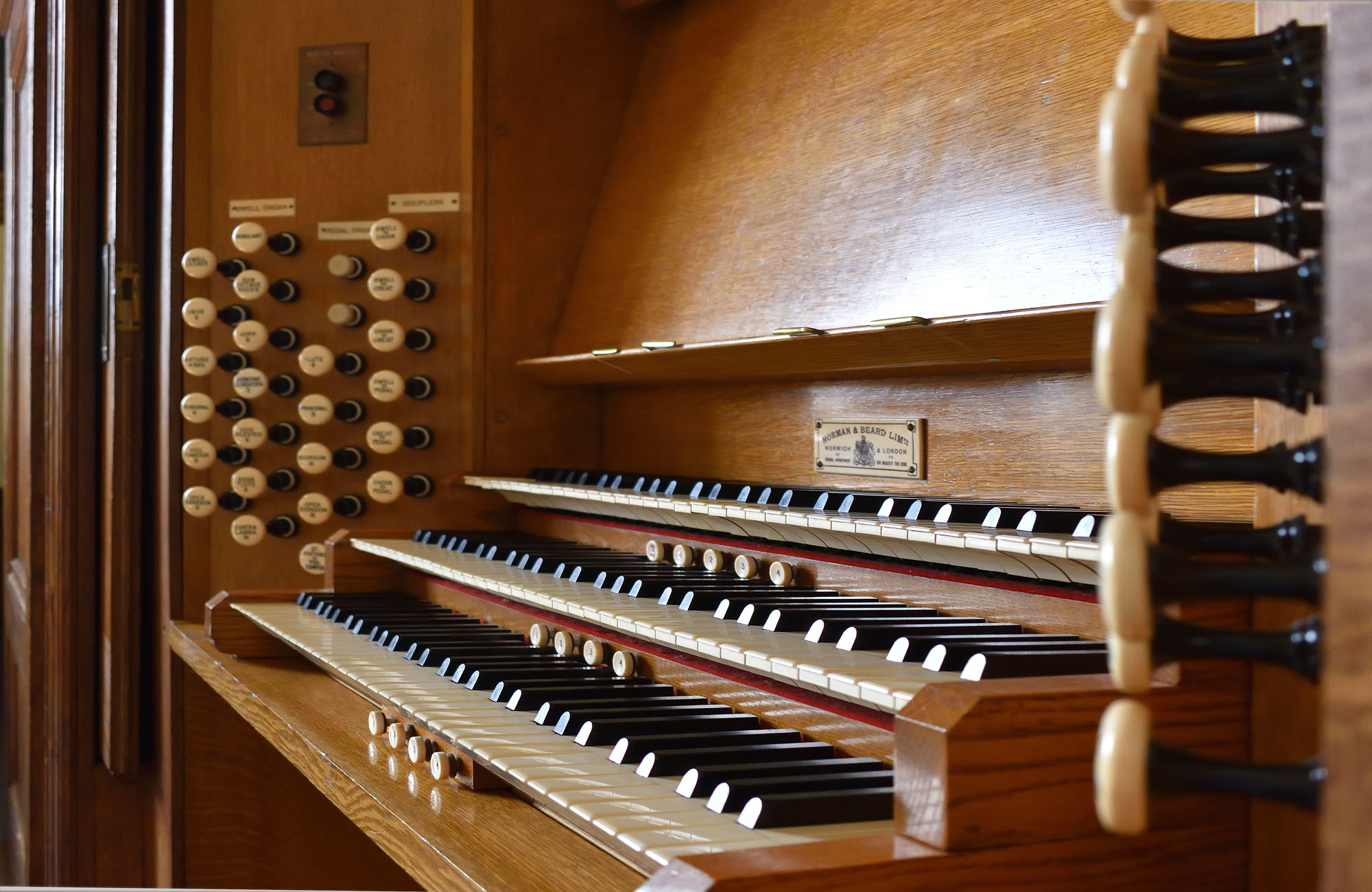
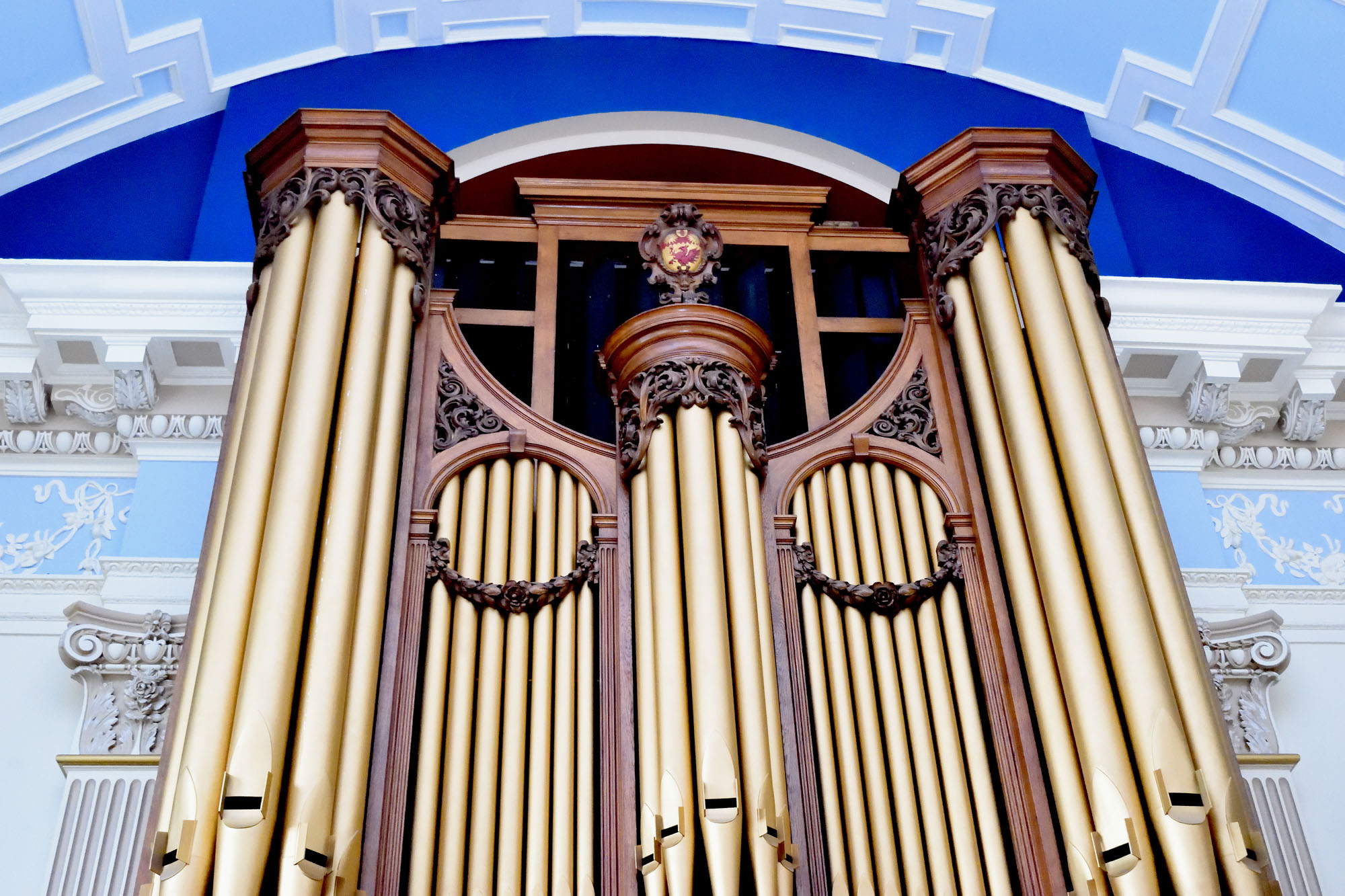
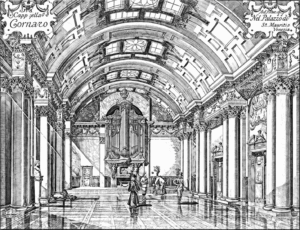
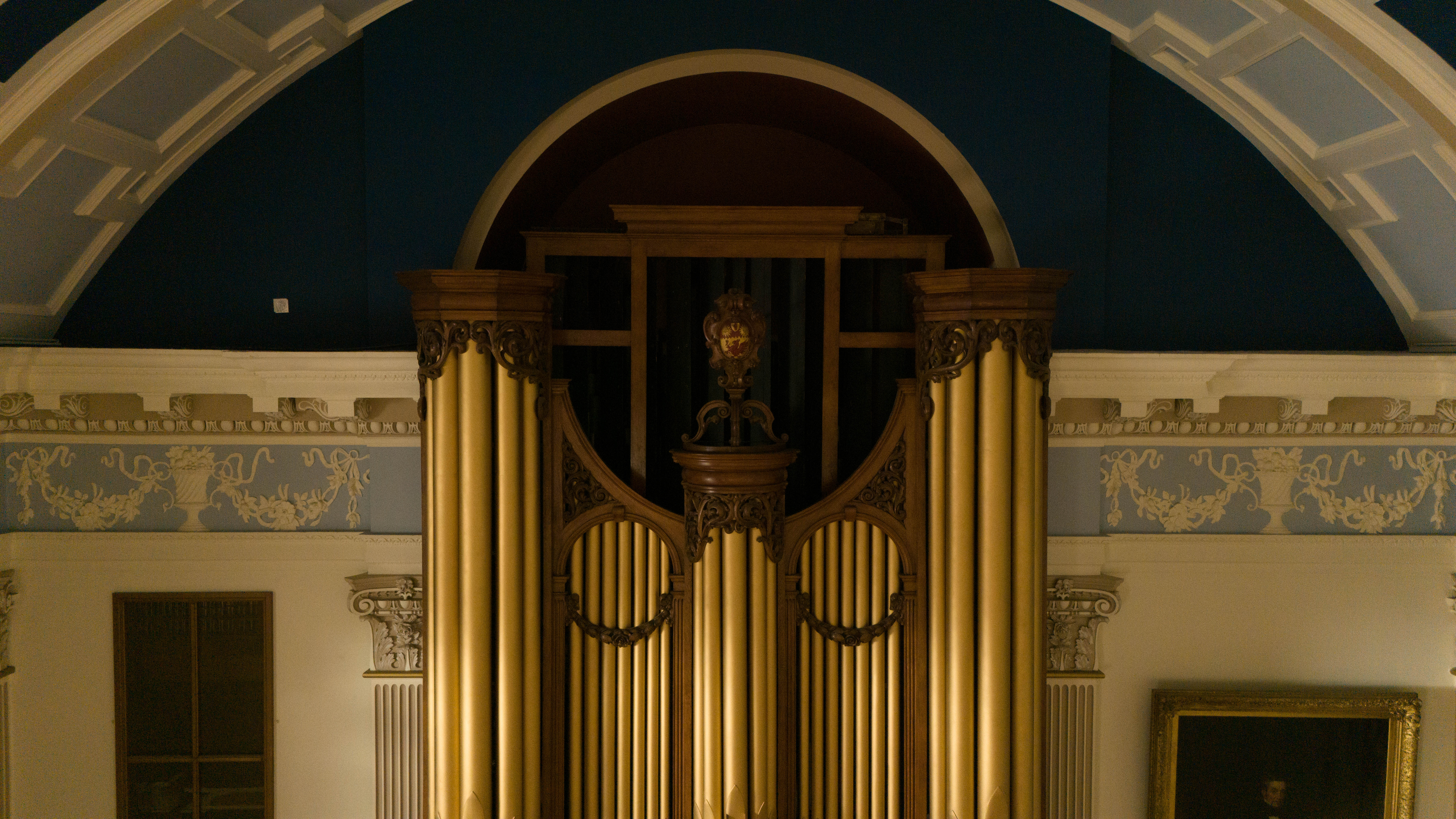
When Colchester opened its grand Moot Hall in 1902, it joined the ranks of towns whose civic pride was marked by a great concert organ. The magnificent three-manual instrument was built by Norman & Beard, then regarded as the country’s leading organ builders, at a cost of £1,000. The beautiful oak case, designed by Town Hall architect John Belcher, was crafted by Kerridge & Shaw, with Fabrucci & McCrossan contributing the fine carved woodwork.
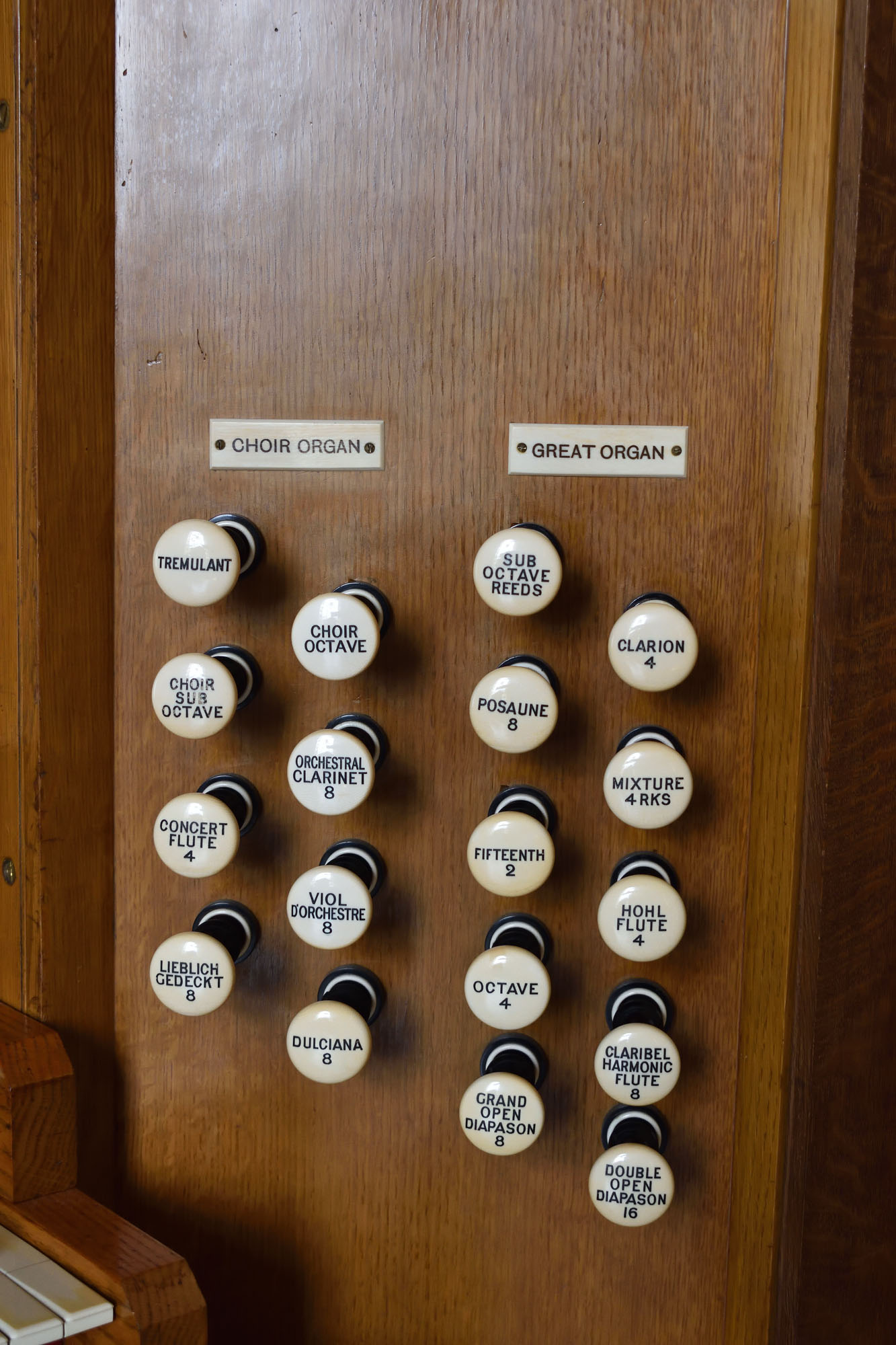
Built to enhance formal civic occasions such as the Mayor-Making Ceremony and the famous Colchester Oyster Feast, the organ reflected the musical tastes of the Edwardian era. Alongside its powerful diapasons were orchestral colours—clarinet, oboe, horn, and flutes – ideal for the transcriptions of operatic and symphonic music that were popular before the age of recorded sound.
Design Ingenuity
Norman & Beard faced a challenge: the hall was elegant but limited in space. Their ingenious use of pneumatic action allowed them to build a compact yet ambitious instrument that filled the room with sound. Every detail mattered, from seasoned timber to high-quality leather, ensuring durability as well as beauty.
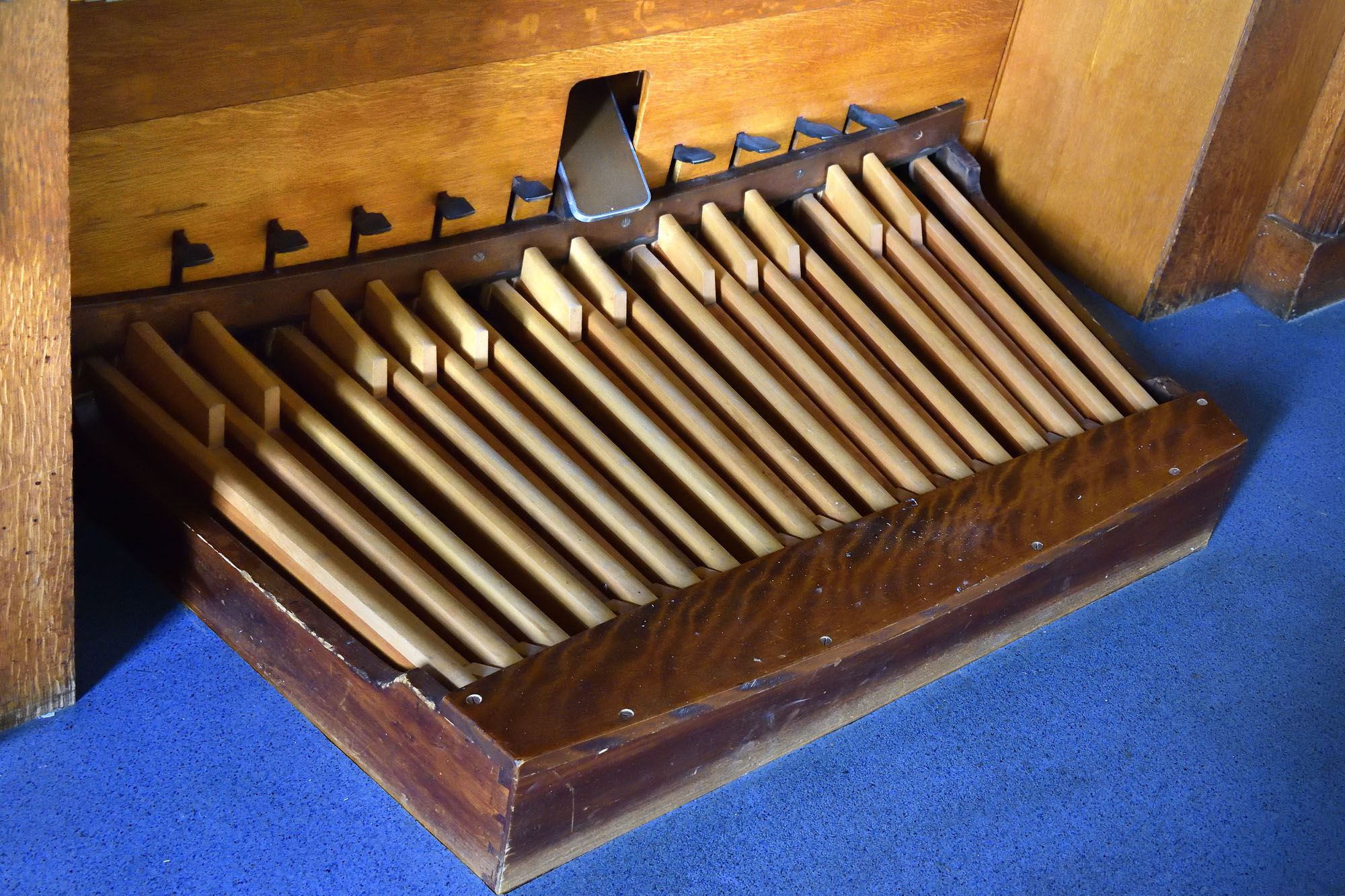
The organ remained largely unchanged until the 20th century brought a series of overhauls. In 1938 the pipes were gilded, modern pistons added, and the swell pedal improved. By 1952 the pitch was raised to the modern standard, enabling it to play with other instruments. Later overhauls in the 1960s and 1970s reflected the fashions of the time, with tonal changes made to suit Baroque music and the Choir Organ’s doors replaced with a mesh front.
After that, however, attention dwindled. Apart from routine tunings, the organ slipped into decline. By 2003 it was declared too unreliable to be played at the Mayor-Making Ceremony, its mechanism failing from cracked leather and shrinking wood. Like many Edwardian organs, it might easily have been scrapped or heavily altered – but Colchester’s survived.
Restored to Full Glory
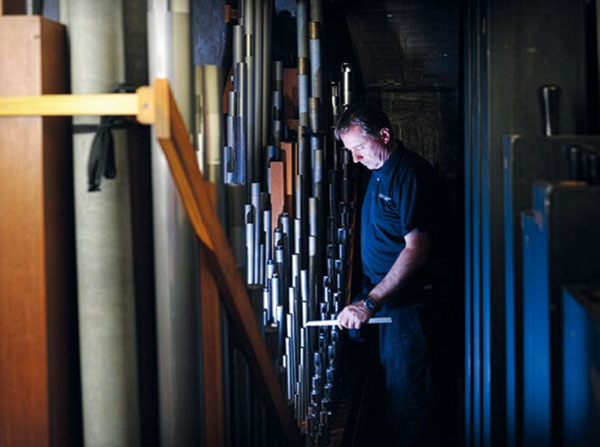
Thanks to the determination of local supporters and the expertise of Harrison & Harrison, the organ was fully restored in the early 21st century.
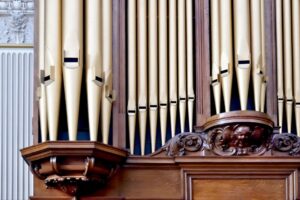
Every pipe, valve, and lead tube was examined, cleaned, and rebuilt; the delicate pneumatic action carefully repaired; and the façade pipes stripped of later paint to reveal their original gilded splendour. Where original pipework was missing, research into other Norman & Beard instruments ensured faithful replacements.
Today, more than a century after its first notes sounded, the Moot Hall organ once again fills Colchester with the commanding voice of Edwardian grandeur. It stands as both a tribute to the ingenuity of its makers and to the persistence of those who fought to save it.
THE ARMS OF A BENEFACTOR
Carved into the organ case is a lasting reminder of the man whose generosity gave Colchester its magnificent Moot Hall Organ.
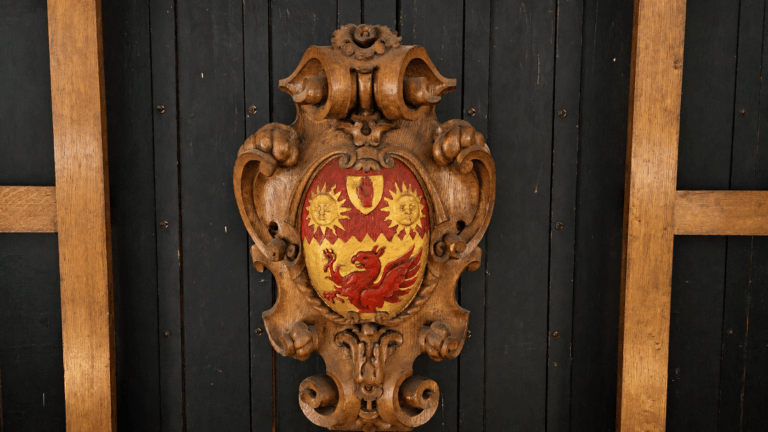
The coat of arms on the top of the organ belongs to Sir Weetman Dickinson Pearson (1856–1927), businessman, engineer and MP for Colchester, who presented the Norman & Beard organ to the town for the opening of the new Town Hall in 1902.
The distinctive arms feature two golden suns in splendour above a red demi-griffin, divided by an indented red-and-gold line. At the top is a small shield bearing the Red Hand of Ulster, signifying Pearson’s baronetcy, which he had received in 1894.
The carving therefore captures Pearson’s status at exactly the time the organ was given to Colchester. He was later created Baron Cowdray in 1910 and Viscount Cowdray in 1917. His family motto, appropriately for one of the great engineers and entrepreneurs of his age, was “Do it with thy might.”
More than a decorative detail, the heraldry provides a direct link between the organ, its history and the man whose generosity made it possible.